

Kia Wheel Alignment in Portland, OR
A professional wheel alignment adjusts the position and angle of your Kia’s wheels to match manufacturer specifications. Correct alignment helps the tires meet the road as intended and supports stable steering, predictable handling, and more even tread wear.
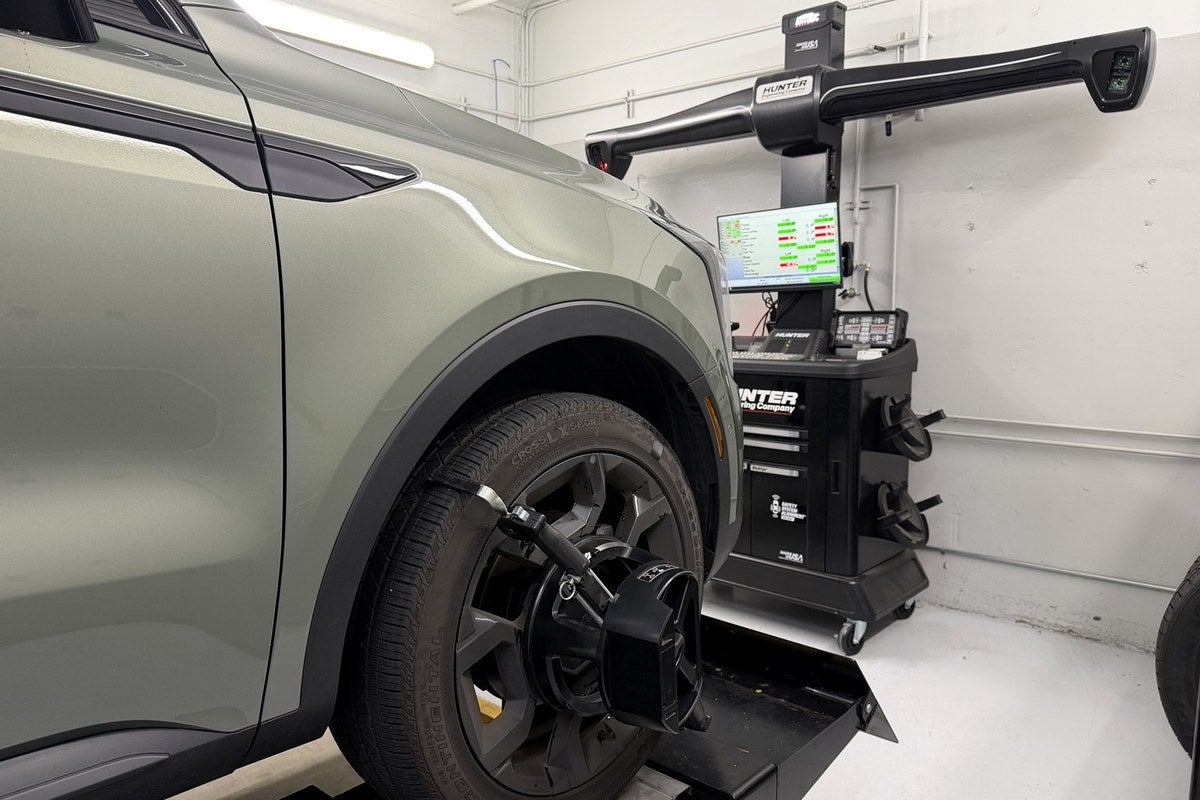
Potholes, curbs, uneven pavement, and ongoing road construction around Portland can gradually affect those measurements. Kia of Portland uses modern Hunter HawkEye alignment equipment and Kia specifications to determine whether your wheels are properly positioned and make adjustments when needed.
If something about your Kia’s steering, handling, or tire wear no longer feels right, an alignment inspection can help identify the cause before unnecessary tire wear becomes more severe.
Signs Your Kia May Need an Alignment
An alignment concern often shows up through changes in steering, handling, or tire wear. Common warning signs include:
- Pulling left or right on a level road
- An off-center steering wheel while driving straight
- Wandering or frequent steering corrections
- Uneven or unusually rapid tire wear
- Steering changes after hitting a pothole or curb
- Installing new tires and wanting to protect the investment
Tire pressure, tire condition, and worn steering or suspension components can cause similar symptoms. Our technicians inspect the vehicle and measure the alignment before recommending an adjustment.
Identifying Alignment Concerns With Modern Technology
During your Kia’s multipoint inspection, our technicians use modern diagnostic equipment to review tire condition, measure tread depth, and identify wear patterns that may point to an alignment concern.
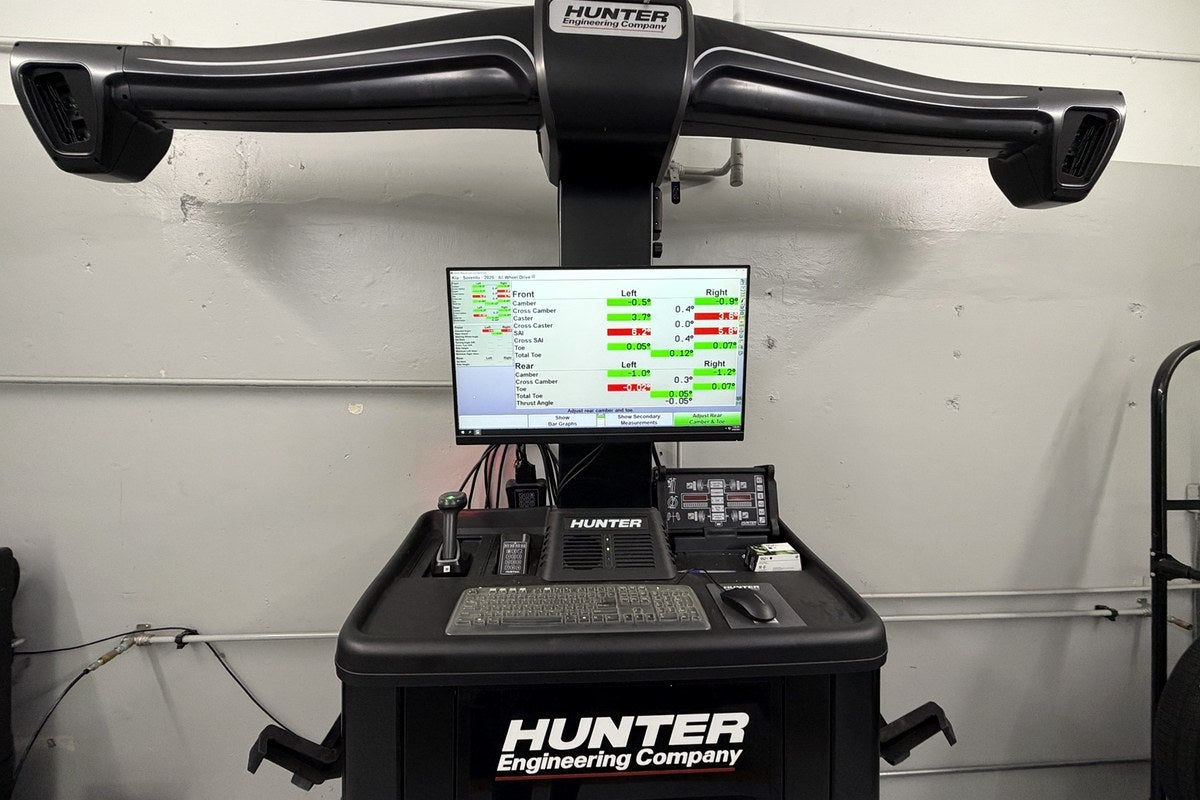
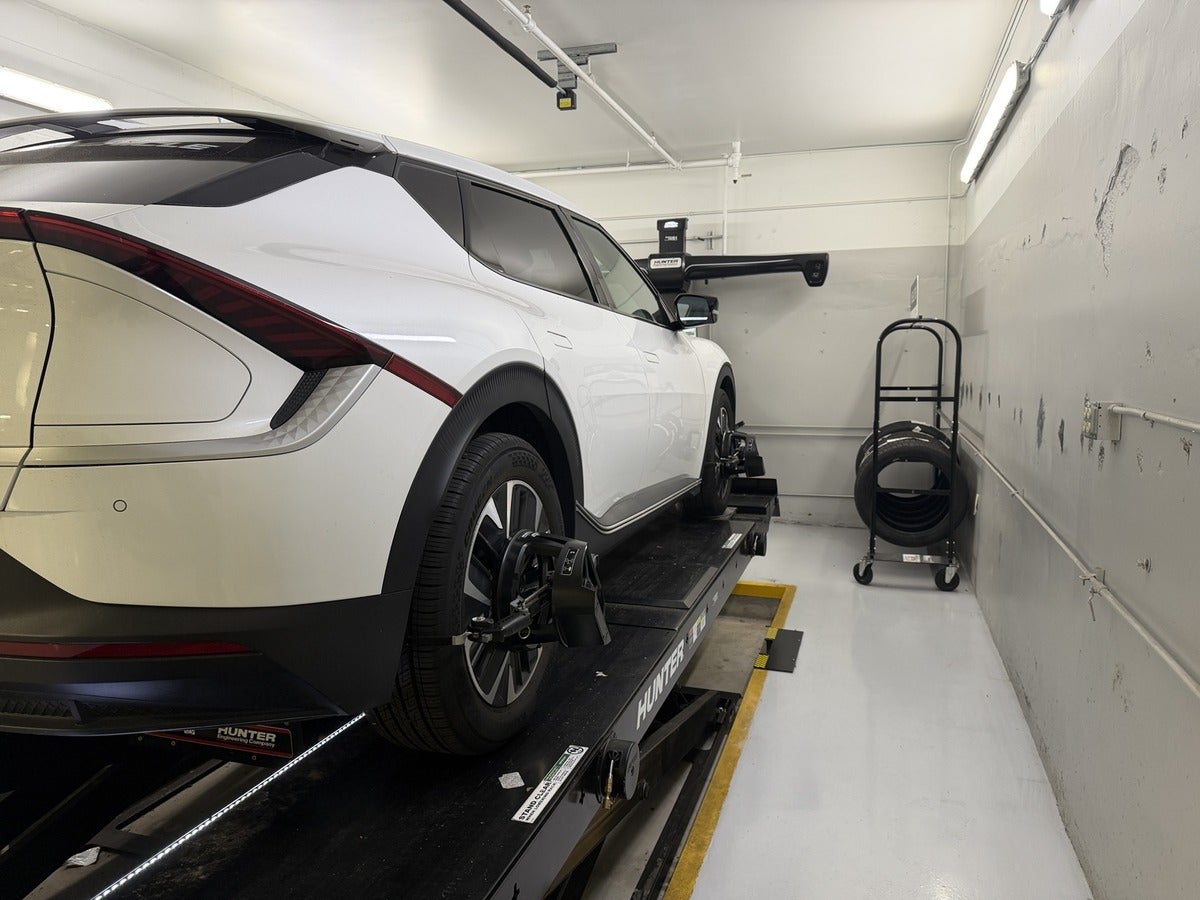
The scan gives our team clear tire data and visuals that help explain why an alignment check is being recommended. If the results suggest that the wheels may be out of alignment, we use our Hunter HawkEye alignment system to measure the vehicle against Kia specifications and determine whether an adjustment is needed.
This process helps us identify concerns earlier, show you what we found, and make recommendations based on measured results and Kia-specific service information.
What Happens During a Kia Wheel Alignment?
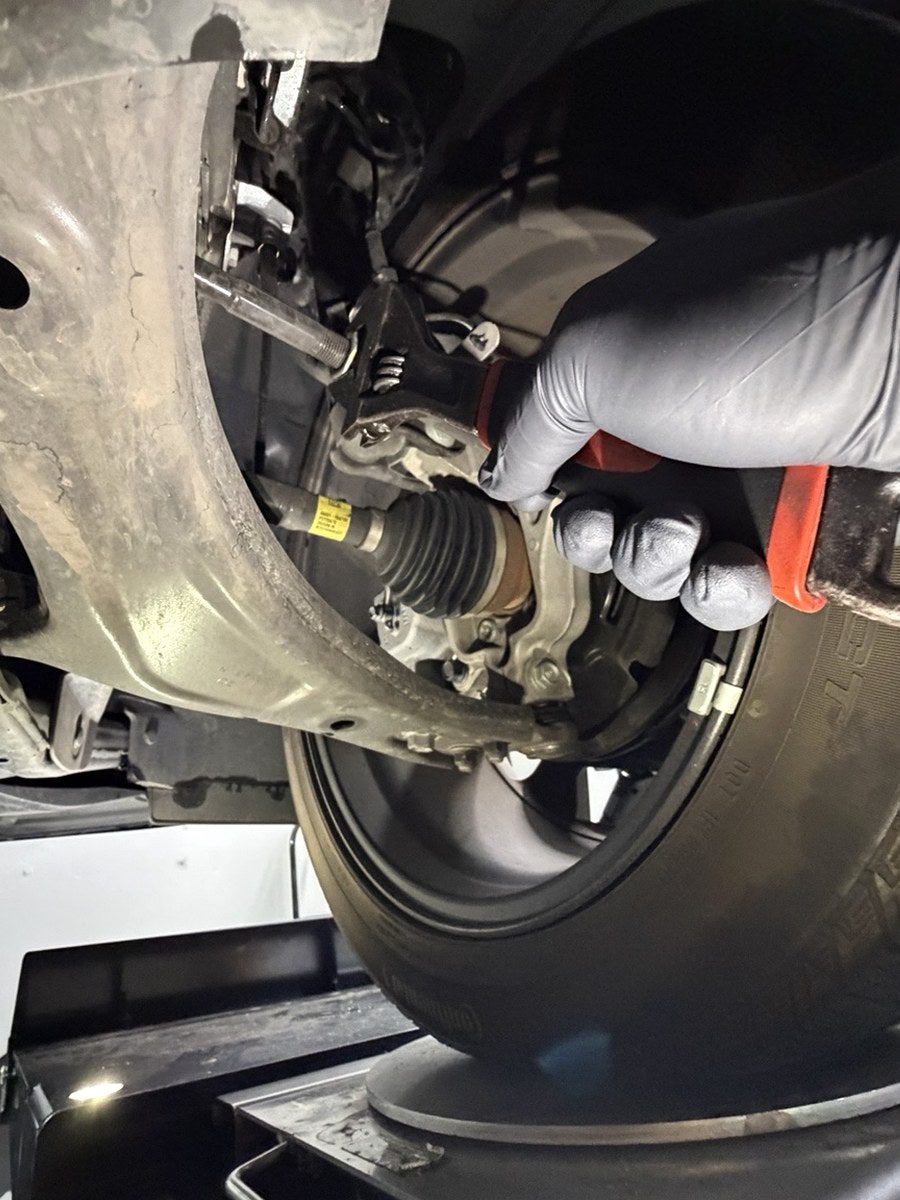
Before making an adjustment, our technicians review tire condition and tire pressure and consider the condition of the steering and suspension system. Worn tie rods, ball joints, bushings, or wheel bearings may prevent a vehicle from holding a proper alignment and may need attention first.
Hunter HawkEye equipment measures the vehicle’s wheel angles and compares the results with the correct specifications. The technician adjusts the applicable angles and verifies the final measurements. The goal is to address the customer’s concern and return the vehicle as close as possible to Kia specifications, not simply move a reading into a green range.
Toe
The direction the tires point when viewed from above.
Camber
The inward or outward tilt of the wheel when viewed from the front.
Caster
The steering-axis angle that supports stability and steering return.
Some newer Kia models also require a Steering Angle Sensor reset after the mechanical alignment is completed. When required, Kia of Portland uses Kia’s KDS diagnostic tool to perform the reset so the vehicle’s electronic steering systems recognize the corrected straight-ahead position.
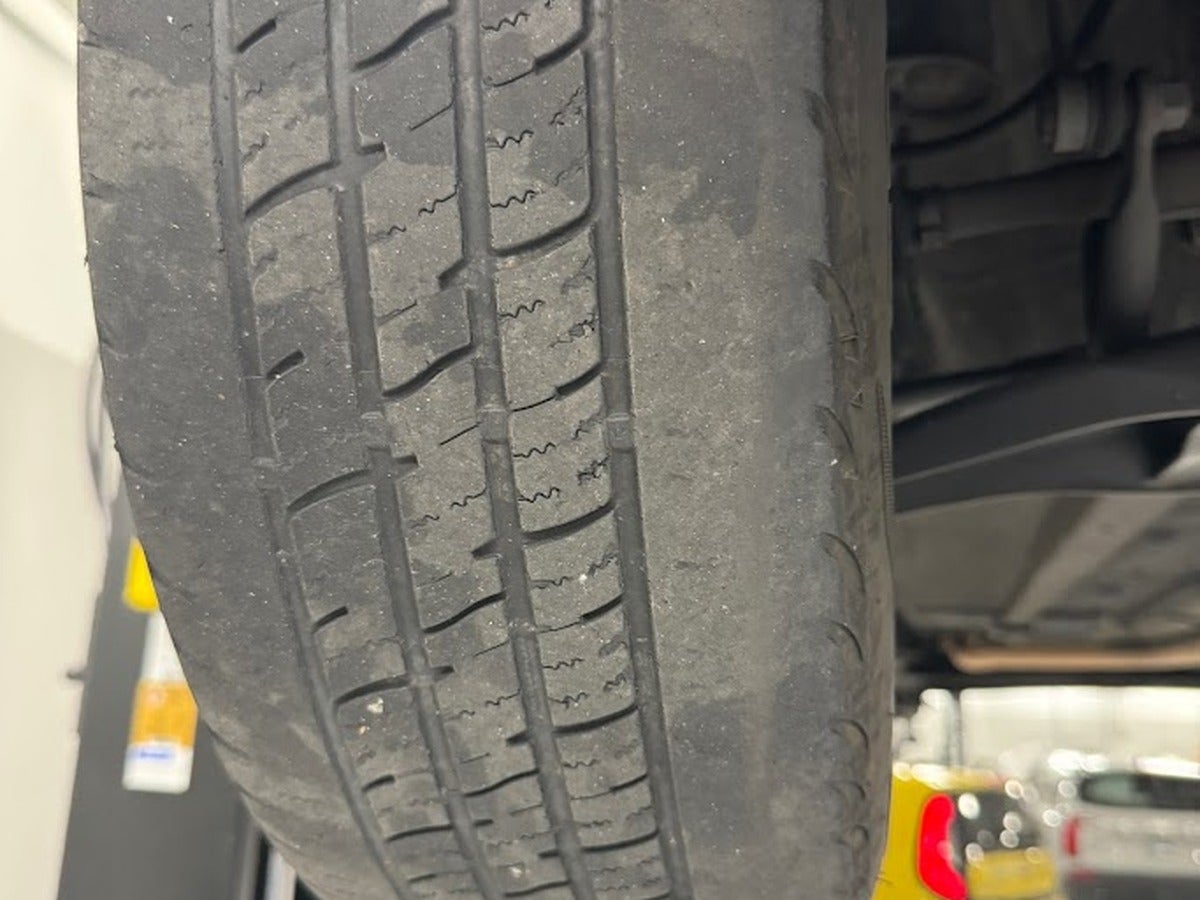
What Uneven Tire Wear Can Tell You
Heavy edge wear, feathered tread, or wear that differs from the other tires can point to an alignment concern. Tire wear alone is not a complete diagnosis, though. Low or uneven tire pressure, missed rotations, suspension condition, and other factors may create similar patterns.
New tires are an investment. If the old set shows irregular wear, checking the alignment before the same pattern damages the new set is a smart step.
Learn more about tire replacement and available options through our Kia Tire Center .
Why Wheel Alignment Matters for Kia EVs
Electric vehicles place substantial demands on their tires because of battery weight and the immediate torque available during acceleration. That makes tire condition and alignment especially important on models such as the Kia EV6, EV9, and Niro EV.
When an EV is out of alignment, the tires may scrub against the road instead of rolling evenly. That can add to irregular tread wear and shorten the useful life of the tires. Proper alignment also helps reduce unnecessary rolling resistance, supporting efficient operation and helping drivers make the most of their available battery range.
Because small alignment changes may not be obvious from the driver’s seat, Kia EV owners should watch for uneven tread wear, pulling, an off-center steering wheel, or changes in straight-line stability. An alignment check is also a smart step after a significant pothole or curb impact and when installing new tires.
Why Choose Kia of Portland for Alignment Service?
Kia of Portland combines Kia-certified technicians with Hunter HawkEye alignment equipment and model-specific service information. That gives our team the tools and specifications needed to measure the vehicle accurately and make informed adjustments.
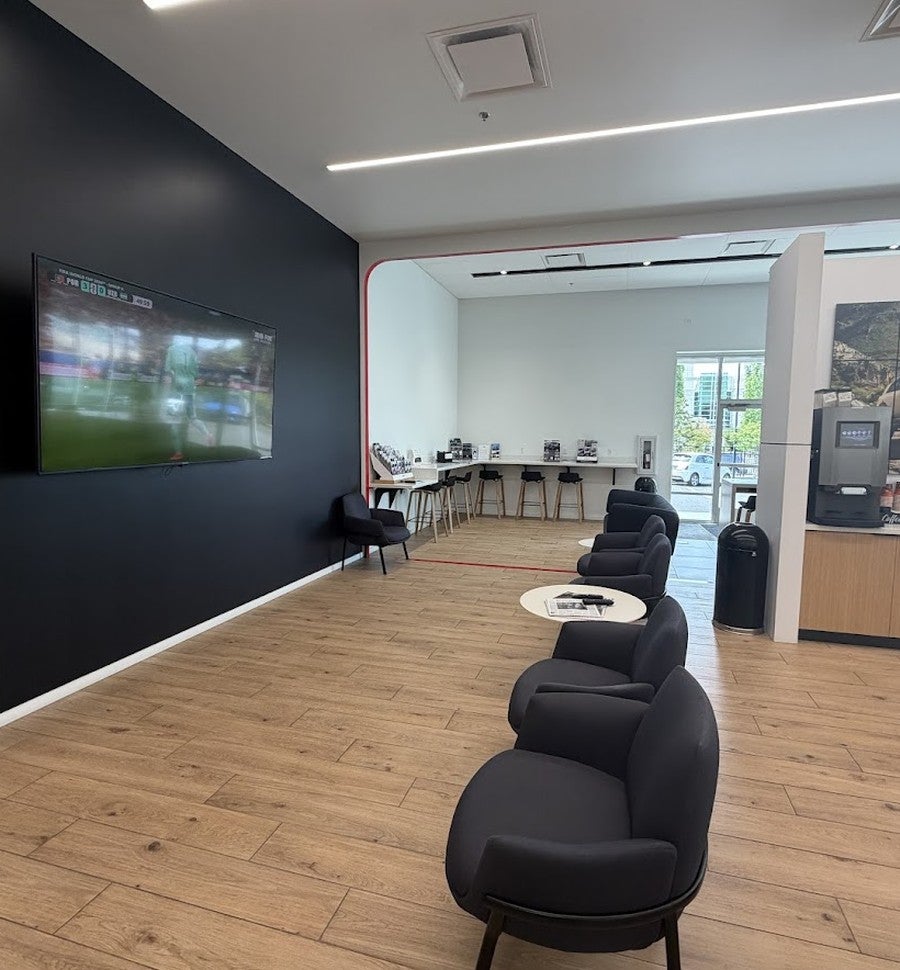
Our Portland service center has ten Kia-certified technicians, modern equipment, Saturday service, easy online scheduling, a comfortable customer lounge, Wi-Fi, and secure parking for customer vehicles. Rideshare assistance may also be available for longer repairs.
Kia of Portland is located at 720 NE Grand Avenue in Portland’s Lloyd District, one block east of the Oregon Convention Center, with convenient access to I-5 and I-84.
Our service department is convenient for Kia drivers from nearby areas including Buckman, Kenton, Hazelwood, the Central Eastside, and the Rose Quarter, as well as drivers traveling near Moda Center and the Steel Bridge. We also regularly serve customers from Gresham, Beaverton, Hillsboro, Lake Oswego, Tigard, Tualatin, Milwaukie, Oregon City, Clackamas, Troutdale, and Vancouver, Washington.
Book a Kia Wheel Alignment in Portland
If your Kia pulls, wanders, has an off-center steering wheel, or shows uneven tire wear, schedule an alignment inspection with Kia of Portland. Our team will measure the vehicle, explain the results, and recommend only the service needed. You can also review our current service specials before scheduling, or call our service team at (503) 404-3813.
Wheel Alignment FAQs
How do I know if my Kia needs a wheel alignment?
The most common signs are pulling to one side, an off-center steering wheel, wandering, or uneven tire wear. Because these symptoms can also come from tire pressure, tire damage, or worn steering and suspension parts, an inspection and alignment measurement are needed to confirm the cause.
How often should a wheel alignment be checked?
A good general guideline is to have your Kia’s wheel alignment checked once a year. It should be checked sooner if the vehicle pulls to one side, the steering wheel sits off-center, the tires show uneven wear, you install new tires, or you hit a significant pothole or curb.
Should I get an alignment when buying new tires?
Yes, it is a good idea to have the alignment checked when installing new tires. New tires are an investment, and correcting an existing alignment issue can help protect that investment by preventing uneven wear and helping the new set last as long as possible. An alignment is especially important if the old tires showed irregular wear, the steering wheel is off-center, or the vehicle pulls or wanders.
Does an alignment fix steering-wheel vibration?
Usually not. Steering-wheel vibration is more commonly related to tire balance, tire damage, wheel condition, or another mechanical issue. Alignment more often affects pulling, steering-wheel position, handling, and certain tire-wear patterns.
How long does a Kia wheel alignment take?
A standard wheel alignment typically takes about one hour and can often be added to a routine maintenance visit. Service may take longer if the vehicle requires extensive adjustment or if our inspection finds worn or damaged steering, suspension, tire, or wheel components that must be addressed before the alignment can be completed properly.
What is the difference between wheel alignment and tire balancing?
Wheel alignment corrects the direction and angle of the wheels, while tire balancing corrects uneven weight within the wheel-and-tire assembly. Pulling, an off-center steering wheel, and certain tread-wear patterns are more commonly associated with alignment. Vibration at a particular speed is more commonly related to tire balance, tire damage, or wheel condition. Visit our Kia Tire Center for more tire information.
Is my Kia pulling, or is Lane Assist steering the vehicle?
Lane Keeping Assist, Lane Following Assist, and Highway Driving Assist can apply steering input while you drive, and those corrections may sometimes feel similar to a vehicle pulling or wandering. To help separate driver-assist input from a possible alignment concern, temporarily turn off the lane-centering or lane-keeping functions and observe the vehicle on a safe, straight, level road. Road crown, wind, tire pressure, and tire condition can also affect how a vehicle tracks. If the pulling continues, an alignment inspection can help identify the actual cause.
 Warranties include 10-year/100,000-mile powertrain and 5-year/60,000-mile basic. All warranties and roadside assistance are limited. See retailer for warranty details.